Fire retardant chemicals (also known as PBDEs) are released when humans and pets sit on furniture that contains them; they are toxic, volatile and travel widely into the air. These toxic chemicals have been linked to numerous serious health problems, including cancer. There is no scientific evidence in peer-reviewed journals that confirm these fire retardants in our sofas, beds and chairs really slow fires down enough to save lives. These chemicals present significant risks to human health and well-being so if they do not definitively slow or retard fires, then why are they in our furniture? The HBO documentary ‘Toxic Hot Seat’ exposes the nexus of money, politics and power behind the answer.
Month: October 2020
Eye Health Threatened by Toxic Chemicals in the Air
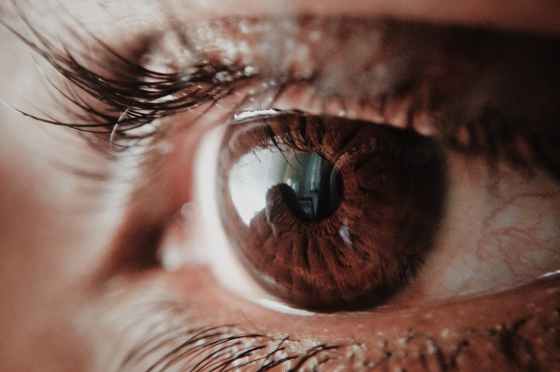
The toxins from indoor and outdoor air pollution can trigger eye infections, dry eye disease, eye irritation, burning and itching and vision problems, including blurry vision. This is nothing to take lightly. Scientific studies have confirmed that if exposure to toxic air is prolonged it has the potential to cause chronic and even serious eye diseases like glaucoma.
Neurological Disorders Significantly Linked with Chemicals in Air Pollution
The results from a long-term study revealed a significant link between air pollution and an increased risk of hospital admissions for several neurological disorders, including Parkinson’s disease, Alzheimer’s disease, and other dementia-related conditions.
Baby Bottles Leaching Microplastics
The results of new scientific lab testing reveal that high levels of microplastic particles are released from baby bottles during formula preparation. That means that infants may ingest unwanted microplastics along with their formula.
Radiation Risks near Fracking Sites: New Study
A new study reveals that radiation levels downwind of fracking sites tend to be significantly higher than other surrounding areas, posing a potential health risk to nearby residents.