
A new scientific study has found that high levels of toxic PFAS chemicals is the likely culprit for making alligators sick with autoimmune disorders that appear similar to human diseases like lupus.
.
Targeting chemicals of concern in our food, products and environment and offering cleaner, better solutions. Chemical-Free Life… utilizing scientific research, public education and science-based wellness programs to help consumers live cleaner, healthier lives.

A new scientific study has found that high levels of toxic PFAS chemicals is the likely culprit for making alligators sick with autoimmune disorders that appear similar to human diseases like lupus.
.
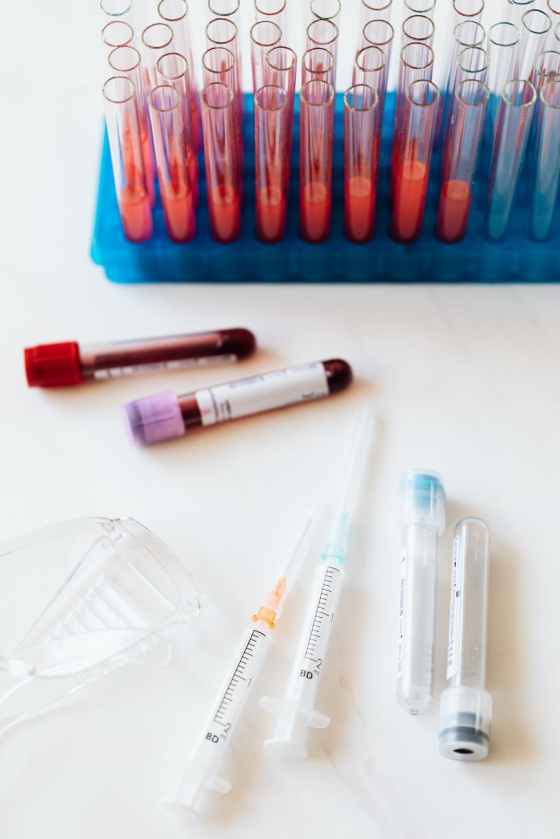
A new study looking at exposure to PFAS* “forever chemicals” in the US revealed that nearly all participants have multiple dangerous compounds in their blood.
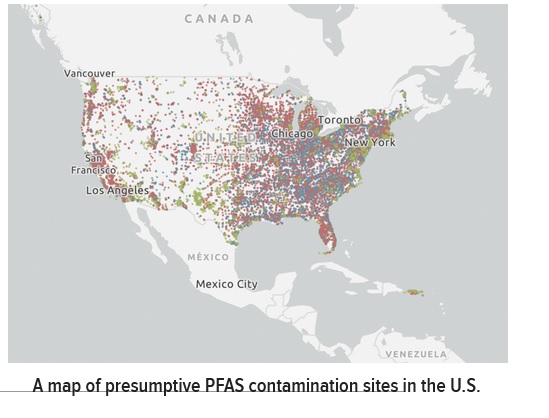
Scientists have found there are over 50,000 PFAS-contaminated sites throughout the United States. See the map.

A recent analysis of existing scientific studies revealed that toxic PFAS chemicals were detected in every umbilical cord blood sample across 40 studies conducted over the last five years.

The results of a new scientific study have revealed that the majority of school uniforms and children’s clothes tested contain high levels of toxic PFAS chemicals.

Buyer Beware: Clothing has been found in laboratory tests to contain an array of toxic chemicals like phthalates, lead, brominated flame retardants and even PFAS forever chemicals.

Two of the twelve thousand PFAS “forever chemicals”* will now be listed as “hazardous substances” under the U.S. Superfund law per the Environmental Protection Agency (EPA).

There is finally some good news about toxic PFAS ‘forever chemicals’. Scientists have just discovered a way to break down, or destroy, at least two PFAS chemicals.

The U.S. Food and Drug Administration (FDA) has announced that it is opening a docket to obtain information about the use of PFAS in food packaging, including collection of data on food packaging products that contain PFAS, review of potential exposures that could result from such packaging, and an evaluation of the health effects.

A new report from the National Academies recommends blood tests and medical monitoring for people likely to have high exposure to the toxic chemicals known as PFAS.
 Chemical Free Life