The state of New Mexico is filing a lawsuit against the makers of popular baby food brands claiming their products contain toxic ingredients.

Targeting chemicals of concern in our food, products and environment and offering cleaner, better solutions. Chemical-Free Life… utilizing scientific research, public education and science-based wellness programs to help consumers live cleaner, healthier lives.
The state of New Mexico is filing a lawsuit against the makers of popular baby food brands claiming their products contain toxic ingredients.
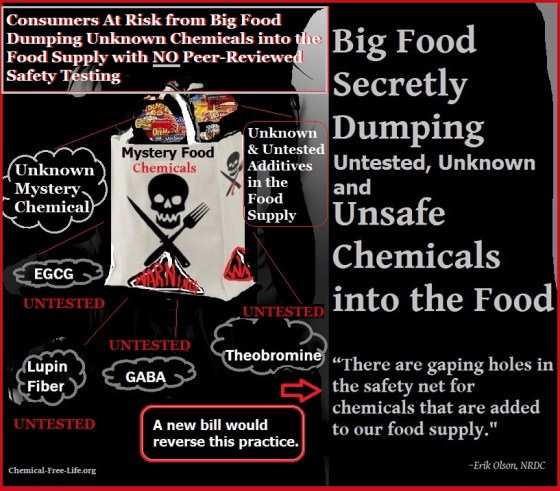
A new bill directing the Food and Drug Administration (FDA) to close the “Generally Recognized as Safe” (GRAS) food additive … More

Scientists have now found that BPA disrupts the development of the brain’s sleep center.

How to identify ultra-processed foods, processed foods, minimally processed foods and unprocessed foods using the NOVA four classifications of food system.

The results from recent scientific research suggest that certain artificial food dyes can cause inflammatory bowel disease (IBD) when the immune system has become dysregulated.

The results of a new study reveal that toxic chemicals known as PFAS have been found in all 50 samples of breast milk tested–at levels nearly 2,000 times what is considered safe in drinking water.

In May 2021 the European Food Safety Association (EFSA) announced that food dye additive “titanium dioxide” (aka the “white” nanoparticle food coloring *) is no longer considered safe when used as a food additive.

The California Office of Environmental Health Hazard Assessment (OEHHA) has completed a comprehensive investigative report and concluded that synthetic dyes used in numerous processed foods and drinks can negatively affect attention and activity in children.

Early exposure to toxic PFAS chemicals, including PFOA found in nonstick cookware and thousands of other consumer products, can lead to cardiometabolic defects later in life.

 Chemical Free Life