International scientists from around the world are warning that chemical pollutants in the environment have the potential to alter animal and human behavior.

Targeting chemicals of concern in our food, products and environment and offering cleaner, better solutions. Chemical-Free Life… utilizing scientific research, public education and science-based wellness programs to help consumers live cleaner, healthier lives.
International scientists from around the world are warning that chemical pollutants in the environment have the potential to alter animal and human behavior.
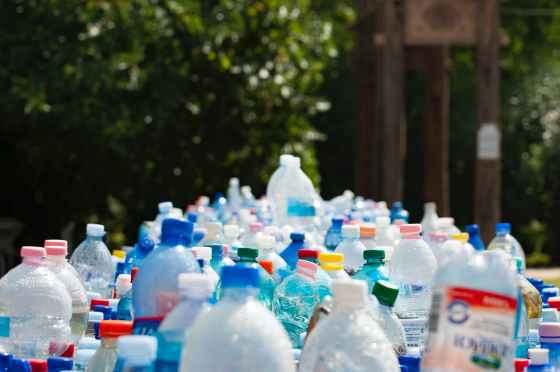
Endocrine disrupting chemical BPA (bisphenol A) and BPS (aka, BPA-Free; bisphenol S) which allows manufacturers to now list their food and drink containers and other products* as “BPA-Free” on the labels, is causing concerns among scientists that these chemicals could “seriously damage” human brains.
Researchers examining the effects of pregnant women exposed to toxic chemicals in their homes have substantiated evidence linking exposure to phthalates to altered cognitive outcomes in their infants.

A new study revealed 64 percent of land used for agriculture and food crops is at risk of pesticide pollution.
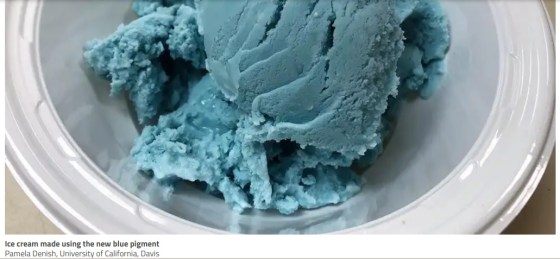
Synthetic Blue Dye (#1 and #2) has a long history of holding the possibility of pernicious outcomes for some people when used in medicines, hospital pharmaceuticals and food. But all of that may be a thing of the past because scientists have uncovered a natural alternative to artificial blue food coloring in cabbage.

Results of a new study reveal that women with higher levels of phthalates in their system during pregnancy were most likely to suffer from postpartum depression.

Bill S.20 would restrict PFAS — perfluoroalkyl and polyfluoroalkyl — in consumer products sold in Vermont. It also includes restrictions on phthalates and bisphenols.
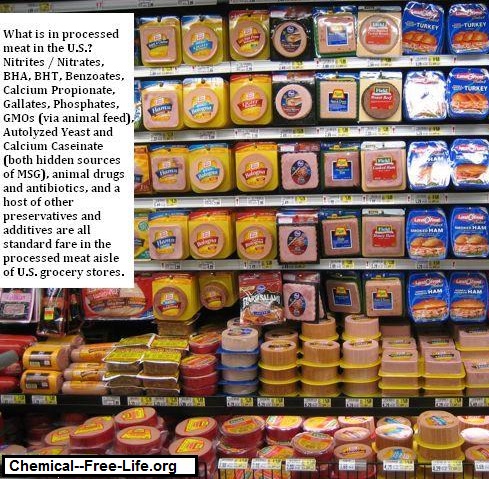
Scientists heading up a large, longitudinal, global study have found a link between eating processed meat and a higher risk of cardiovascular disease and death.

New scientific research has linked autism to chemicals commonly found in U.S. household products, personal care products and food: PCBs, Phthalates, Bisphenol-A (BPA) and Pesticides. More specifically, the study found that women who are exposed to these toxic chemicals while pregnant are more likely to have autistic children.

According to the 2021 rating report card of retailers, a dozen major companies earned an “F” for failing to publicly address the growing problem of toxic chemicals that may be in the products they sell to consumers.
 Chemical Free Life