New York has now banned the use of per- and polyfluoroalkyl chemicals (PFAS) in food packaging.

Targeting chemicals of concern in our food, products and environment and offering cleaner, better solutions. Chemical-Free Life… utilizing scientific research, public education and science-based wellness programs to help consumers live cleaner, healthier lives.
New York has now banned the use of per- and polyfluoroalkyl chemicals (PFAS) in food packaging.

A low-income housing development plus a school will be built on a toxic waste site in the area along the Gowanus Canal in New York City.

The results of new scientific lab testing reveal that high levels of microplastic particles are released from baby bottles during formula preparation. That means that infants may ingest unwanted microplastics along with their formula.
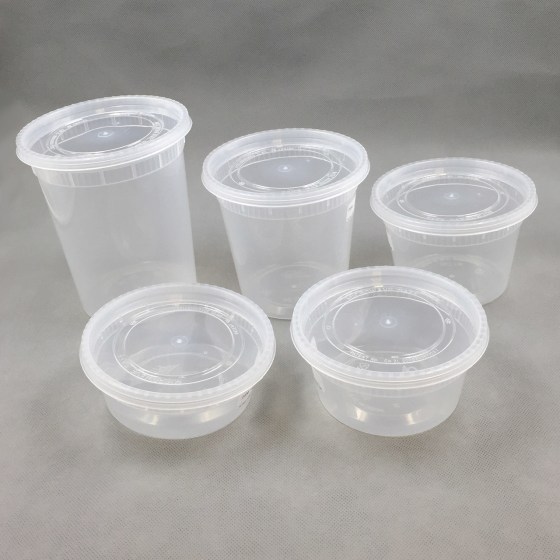
New study finds no observable effects of the phthalate-replacement chemical DINCH on reproductive hormones.

To increase screening of chemical intolerance, researchers have developed and validated a three-question survey that can be incorporated into patient visits within a minute.

New research has demonstrated that it is possible to spray sanitizing chemicals (levulinic acid and sodium dodecyl sulfate, aka sodium lauryl sulfate) to produce preharvest–while it is still in the fields.
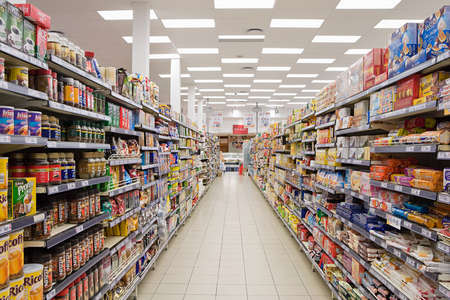
Findings from a new scientific study suggest a link between eating a diet of highly processed food–and the synthetic and industrialized chemicals it contains–and acceleration of the aging process.

The results of a new study revealed concentrations of atrazine (an herbicide), DEP (an endocrine disrupting chemical from the phthalate family found in our plastics), NPE ( a chemical commonly used in processed food packaging) and endocrine-disrupting triclosan* (an antibacterial/antifungal chemical used as a pesticide and found in consumer products such as toothpaste, shampoos, conditioners, deodorants, some versions of soaps including dish-washing liquids and laundry detergents, hand creams and toys) in the bodies of stranded whales and dolphins.
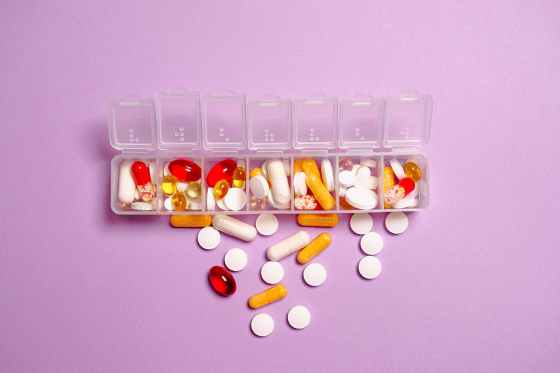
Both prescription (Rx) and over-the-counter (OTC) medications frequently contain the same unwanted additives (including preservatives, antimicrobials, dyes) that consumers are intentionally avoiding in their food. These additives are commonly listed as “inactive” on the drug label, but new scientific studies demonstrate that several additives are not inert and may be potentially harmful.

After reviewing hundreds of peer-reviewed scientific studies researches have concluded that a growing number of chemicals in pesticides, flame retardants, and certain plastics have been linked to widespread health problems including infertility, diabetes, and impaired brain development. Exposure to certain chemicals found in industrial and household goods has also been linked in new studies to obesity; to endometriosis, a painful and abnormal growth of tissue on the outside of the womb; and to polycystic ovary syndrome, a significant cause of infertility.
 Chemical Free Life