Bayer claims that the economic downturn resulting from the corona virus is behind the decision to offer less compensation to customers with cancer.

Targeting chemicals of concern in our food, products and environment and offering cleaner, better solutions. Chemical-Free Life… utilizing scientific research, public education and science-based wellness programs to help consumers live cleaner, healthier lives.
Bayer claims that the economic downturn resulting from the corona virus is behind the decision to offer less compensation to customers with cancer.

Scientific studies have demonstrated that PFAS is a toxic chemical and numerous adverse health consequences have been linked to it including some kinds of cancers (especially breast, testicular and prostate cancers), liver problems, heart disease, hormonal disruption, low birth weight and numerous other health problems including thyroid problems, high cholesterol, kidney problems, prostate problems and fertility problems. Now, another adverse health consequence has been added to that list: tooth decay in children.

The results of a new scientific study demonstrated that many popular home water filtration systems are not filtering out toxic PFAS chemicals.

Acetaminophen, the super common and popular pain killer in the U.S., may get blacklisted as a carcinogen in the state of California.
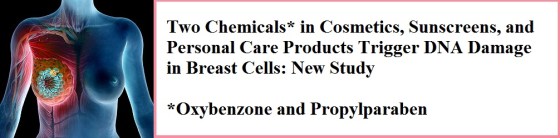
There are distressing results from a new scientific study focusing on the adverse health effects from chemicals commonly found in cosmetics and personal care products: At least two of these chemicals have now been shown to damage the DNA of breast cells–even at low doses.

In the largest study to date to explore the possible link between talc use and ovarian cancer, researchers failed to find a significantly increased risk of ovarian cancer from talc use overall. However an increased risk for ovarian cancer did appear among certain women who used talc on the genital area. That increased risk was for women with intact reproductive tracts.
A team of MIT biological engineering scientists have developed a new toxicology screening test for chemicals. Funded by the National Institute of Environmental Health Sciences (NIEHS), the screening test offers specialized detection of DNA damage in cells that can quickly and accurately predict whether cancer will develop from new chemicals coming on the market.

Using new direct testing methods, scientific experts on the chemical BPA have made a new discovery: Previous estimates of the levels of BPA consumers are exposed to each day have been based on flawed, inaccurate testing methods. The previous measurements and estimates that have been used by regulatory agencies–including the FDA**–have underestimated exposure levels by as much as 44 times. With new, more advanced methods*** scientists are now able to see that previous estimates of exposure to the endocrine-disrupting chemical are far greater than regulators and legislators believed when establishing guidelines for what is “safe” exposure levels for U.S. children and adults.

NIH research reveals that women who use permanent hair dye and chemical hair straighteners have a higher risk of developing breast cancer than women who don’t use these products.
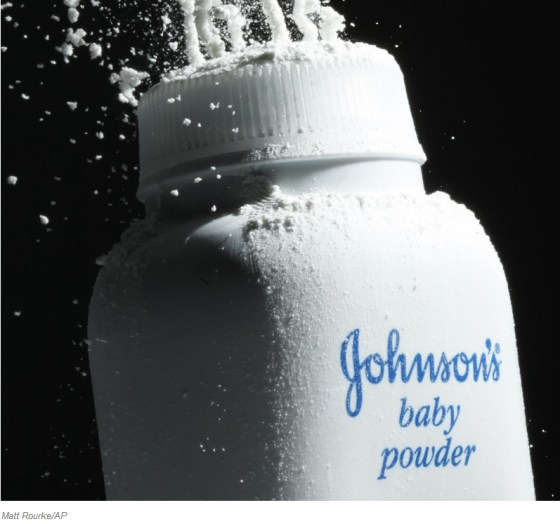
New case study findings have strengthened the link between talcum powder, asbestos (which can be co-mingled with talc due to mining processes) and mesothelioma–a deadly cancer of the lining of organs (most often occurring in the lining around the lungs or the abdomen).
 Chemical Free Life