Fire retardant chemicals (also known as PBDEs) are released when humans and pets sit on furniture that contains them; they are toxic, volatile and travel widely into the air. These toxic chemicals have been linked to numerous serious health problems, including cancer. There is no scientific evidence in peer-reviewed journals that confirm these fire retardants in our sofas, beds and chairs really slow fires down enough to save lives. These chemicals present significant risks to human health and well-being so if they do not definitively slow or retard fires, then why are they in our furniture? The HBO documentary ‘Toxic Hot Seat’ exposes the nexus of money, politics and power behind the answer.
Category: Health Problems and Chemicals
Eye Health Threatened by Toxic Chemicals in the Air
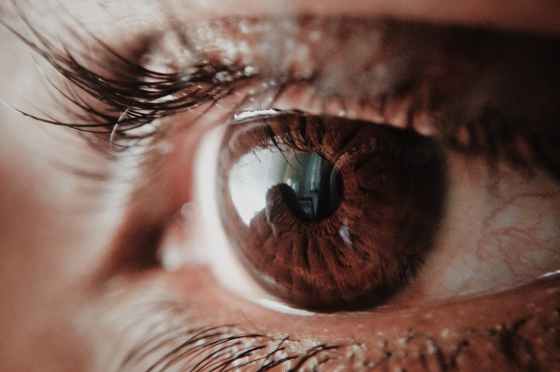
The toxins from indoor and outdoor air pollution can trigger eye infections, dry eye disease, eye irritation, burning and itching and vision problems, including blurry vision. This is nothing to take lightly. Scientific studies have confirmed that if exposure to toxic air is prolonged it has the potential to cause chronic and even serious eye diseases like glaucoma.
Neurological Disorders Significantly Linked with Chemicals in Air Pollution
The results from a long-term study revealed a significant link between air pollution and an increased risk of hospital admissions for several neurological disorders, including Parkinson’s disease, Alzheimer’s disease, and other dementia-related conditions.
Chemical Alternative to Phthalates Looks Promising
New study finds no observable effects of the phthalate-replacement chemical DINCH on reproductive hormones.
Do You Have Chemical Sensitivity? Answering Just Three Questions Can Tell You
To increase screening of chemical intolerance, researchers have developed and validated a three-question survey that can be incorporated into patient visits within a minute.
Highly Processed Food may Make You Old Before Your Time
Findings from a new scientific study suggest a link between eating a diet of highly processed food–and the synthetic and industrialized chemicals it contains–and acceleration of the aging process.
Mobile Phone Light Linked with Colon Cancer: Are Toxins in LED Lights to Blame?
Scientists conducting a new research study have just released some disturbing results: Exposure to mobile phone light at night raises risk of colon (bowel) cancer. The study revealed that LED “blue light” emitted by our electronic devices (that is, exposure to artificial light-at-night (ALAN) and particularly blue light spectrum) can worsen health problems–including increasing the risk for colon cancer by as much as 60 percent.
Preservatives, Dyes in Medication may be Harmful to Health: Study
Both prescription (Rx) and over-the-counter (OTC) medications frequently contain the same unwanted additives (including preservatives, antimicrobials, dyes) that consumers are intentionally avoiding in their food. These additives are commonly listed as “inactive” on the drug label, but new scientific studies demonstrate that several additives are not inert and may be potentially harmful.
Endocrine-Disrupting Chemicals: Health Threat Grows
After reviewing hundreds of peer-reviewed scientific studies researches have concluded that a growing number of chemicals in pesticides, flame retardants, and certain plastics have been linked to widespread health problems including infertility, diabetes, and impaired brain development. Exposure to certain chemicals found in industrial and household goods has also been linked in new studies to obesity; to endometriosis, a painful and abnormal growth of tissue on the outside of the womb; and to polycystic ovary syndrome, a significant cause of infertility.
Groundskeeper vs. Bayer-Monsanto: RoundUp-Cancer Lawsuit
Big Ag/Big Pharma corporation Bayer failed to persuade a California appeals court to overturn a verdict favoring a school groundskeeper who claimed its Roundup weed killer caused his cancer, but reduced the amount of damages by 74% to $20.5 million…