A scientific study has demonstrated that men who have been exposed in utero to products known to contain endocrine disrupting chemicals (Phthalates and pesticides in particular) are twice more likely to have semen volume and total sperm count per ejaculation below the reference values set by the World Health Organization (WHO).

Category: Household and Hospital Chemicals
PBDE Fire Retardant Chemicals Linked with Premature Births
The latest published scientific study has again found that expectant women are more likely to give birth early if they have high blood levels of a chemical used in flame retardants compared with those who have limited exposure.
Autism Linked to Toxic Chemicals in Household Products, Personal Care Products and Food: Study
New scientific research has linked autism to chemicals commonly found in U.S. household products, personal care products and food: PCBs, Phthalates, Bisphenol-A (BPA) and Pesticides. More specifically, the study found that women who are exposed to these toxic chemicals while pregnant are more likely to have autistic children.
Toxic chemicals and Retailers: ‘Hall of Shame’ 2021
According to the 2021 rating report card of retailers, a dozen major companies earned an “F” for failing to publicly address the growing problem of toxic chemicals that may be in the products they sell to consumers.
Disturbing Findings: Mystery Industrial Chemicals Discovered in Humans
Scientists have detected 109 industrial chemicals in pregnant women and newborn babies, including 55 chemicals never before reported in people and 42 “mystery chemicals,” whose sources and uses are unknown.
Toxic Fire Retardant Chemicals in Products have Another Three Months to Enter the U.S. Market: Thanks EPA
Despite the U.S. Environmental Protection Agency’s (EPA) own rules to restrict known toxic chemicals, on March 8, 2021 the EPA eased its chemical ban on known toxic fire retardant chemicals (PBTs/PBDEs), causing a win for corporations that use them in their products, including the electronics industry and companies producing home appliances, school laptops, and many other products for the home.
Eight Ways Chemical Toxins Harm Your Body
We hear a lot about toxic chemicals being linked to myriad of serious health conditions. But just how does that happen? We are now much closer to understanding the mechanisms involved that trigger health problems after exposure to toxic chemicals in our food, products and general environment. Researchers have reviewed the existing scientific evidence and propose eight hallmarks of environmental exposures that chart the biological pathways through which pollutants contribute to disease.
General Mills to Drop Phthalate Chemicals from One Product
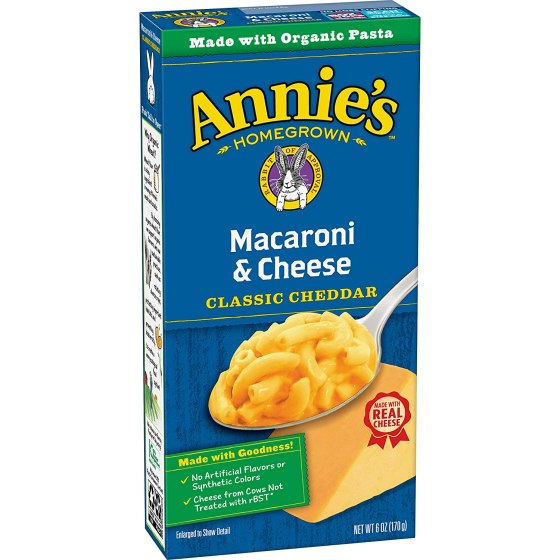
General Mills, the corporate parent of Annie’s Homegrown, announced last week that it will begin eliminating phthalate chemicals from Annie’s packaging and food processing equipment, about four years after the chemical was identified in popular macaroni and cheese products.
For Researchers, Educators, Attorneys and Policymakers: PFAS Research Special Issue
Environmental Toxicology and Chemistry (ET&C) has published a special issue dedicated to PFAS with 32 articles, providing a valuable summarization of risk assessment approaches for PFAS.
Scientists Find Loads of Toxic Chemicals in Toys and Health Risks for Kids
A group of scientists have now analyzed data on chemical functions and amounts found in plastic toys, and quantified related children exposure and potential health risks.