Eight Ways Chemical Toxins Harm Your Body

We hear a lot about toxic chemicals being linked to myriad of serious health conditions. But just how does that happen?  We are now much closer to understanding the mechanisms involved that trigger health problems after exposure to toxic chemicals in our food, products and general environment.  Researchers have reviewed the existing scientific evidence and propose eight hallmarks of environmental exposures that chart the biological pathways through which pollutants contribute to disease.


Antimicrobial Additive Triclosan Linked to Fatty Liver Disease

New research has uncovered a link with Triclosan and fatty liver disease.  More specifically, scientists found that the chemical accelerated the development of fatty liver and fibrosis.  Mice exposed to Triclosan also had less diversity in their gut microbiomes (less gut microbiome diversity as science has now shown, is generally associated with poorer health).

Household Chemicals PFAS and Phthalates Alter Gut Microbiome: Study

In another new study scientists have again found that chemicals commonly found in our food and home environment alter our gut microbiome.  This is a critical confirmation of the findings found previously because gut microbiome–the community of microorganisms (bacteria, fungi, and viruses) that inhabit the human gastrointestinal tract–has recently come under close scrutiny by the medical science community because several serious health conditions have been suspected to be linked to an imbalance in gut microbiome. 

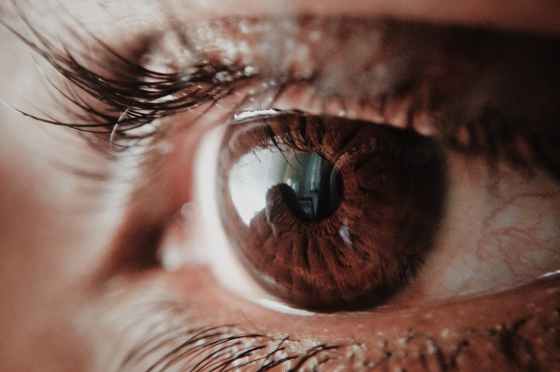
Eye Health Threatened by Toxic Chemicals in the Air

The toxins from indoor and outdoor air pollution can trigger eye infections, dry eye disease, eye irritation, burning and itching and vision problems, including blurry vision.  This is nothing to take lightly.  Scientific studies have confirmed that if exposure to toxic air is prolonged it has the potential to cause chronic and even serious eye diseases like glaucoma.