
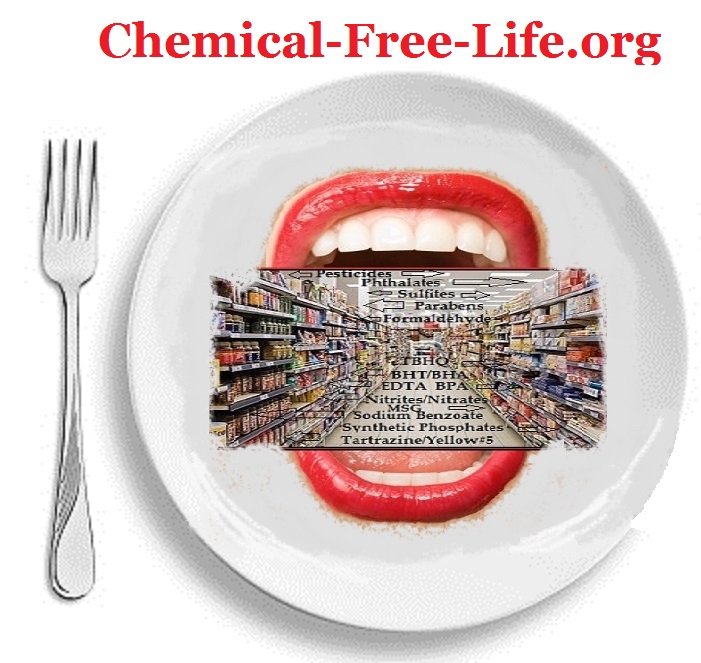
Some common chemicals in our everyday personal care products, home care products, furniture, flooring and food are not only toxic to humans, but they are also toxic to dogs. Pesticides, flame retardants, and phthalates, for instance, are not only linked to human diseases, but also present biological and clinical threats to dogs. Now scientists have discovered that monitoring environmental exposures to toxic chemicals in dogs could be an early warning system for human health.
Category: Pesticides Herbicides
Gut Microbiome Affected by Toxic Chemicals in Products, Environment, Food
The microbes that inhabit our bodies are influenced by what we eat, drink, breathe and absorb through our skin, and most of us are chronically exposed to natural and human-made environmental contaminants. In this study, scientists reviewed the research linking dozens of chemicals present in our personal care products, home care products, general environment and our food to changes in the gut microbiome and associated health challenges.
Celiac Disease Linked to Common Toxic Chemicals
New research has linked an increase risk for celiac disease in young people to toxic chemicals commonly found in pesticides, nonstick cookware, and fire retardants.
DIY Pesticide-Removing Produce Washes
Pesticide-removing DIY recipes for cleaner, healthier fresh fruits and veggies.
Round Up Glyphosate Settlement Offers Lowered: Bayer Chemical Blames Corona Virus
Bayer claims that the economic downturn resulting from the corona virus is behind the decision to offer less compensation to customers with cancer.
RoundUp Weedkiller Contaminating Environment, Harming Ecosystem
A new scientific study has demonstrated that RoundUp weedkiller triggers loss to biodiversity, thereby making ecosystems more vulnerable to pollution and climate change.
Biggest Chemical Threat to Intellectual Disability: Flame Retardants, Pesticides
A new scientific study just released examined the extent of IQ loss linked to toxic chemicals over a 15 year period in the U.S. Flame retardants and pesticides, and to a lesser extent, heavy metals like lead, resulted in more than a million cases of intellectual disability in the United States between 2001 and 2016. As a result of significantly fewer restrictions, flame retardants and pesticides now represent the bulk of that cognitive loss.
Lower IQ Linked with Consumer Product Chemical Exposure during Pregnancy
A new study found that exposure during the first trimester of pregnancy to mixtures of suspected endocrine-disrupting chemicals found in consumer products is related to lower IQ in children by age 7.
EPA Changing How it Tests for Pesticides
This overview examines the current methods used for determining whether a pesticide is safe enough to use and the changes the EPA is planning on making to those methods.
Pesticides Making Birds Anorexic
Researchers discover that some birds become anorexic after eating neonicotinoid pesticide-laced seeds, causing them to lose weight and delay their southward journeys.
