In May 2021 the European Food Safety Association (EFSA) announced that food dye additive “titanium dioxide” (aka the “white” nanoparticle food coloring *) is no longer considered safe when used as a food additive.

Targeting chemicals of concern in our food, products and environment and offering cleaner, better solutions. Chemical-Free Life… utilizing scientific research, public education and science-based wellness programs to help consumers live cleaner, healthier lives.
In May 2021 the European Food Safety Association (EFSA) announced that food dye additive “titanium dioxide” (aka the “white” nanoparticle food coloring *) is no longer considered safe when used as a food additive.

According to a new study meat that is certified organic is less likely to be contaminated with bacteria that can sicken people compared to conventionally produced meat.

Today many people are exposed to a wide range of toxins, such as ozone, nanoparticles, microplastics, household cleaning agents, pesticides, enzymes, emulsifiers, fine dust, exhaust fumes, cigarette smoke and countless chemicals in the air, food and water–all of which are now believed by scientists to harm the epithelial barrier and are subsequently responsible for up to two billion chronic, non-infectious diseases including allergic conditions, inflammatory bowel disorders, celiac disease and even Parkinson’s Disease, Alzheimer’s disease, autism spectrum disorders and chronic depression.

A growing number of research scientists are recognizing a possible link between certain synthetic and industrialized chemicals in our food, products and environment and weight gain/obesity.

The California Office of Environmental Health Hazard Assessment (OEHHA) has completed a comprehensive investigative report and concluded that synthetic dyes used in numerous processed foods and drinks can negatively affect attention and activity in children.

Scientists have uncovered a link between living near fracking activity and an increased risk for heart attacks.

Skip the chemicals of concern in synthetic food dyes and make your own nontoxic food coloring using these natural ingredients.
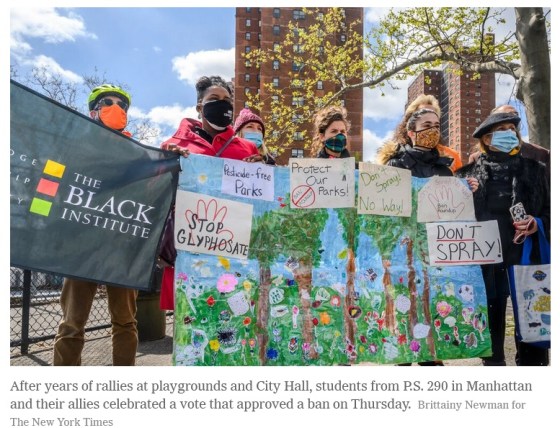
Thanks to the efforts of child advocates, lawmakers voted unanimously to make New York the nation’s largest city to ban toxic pesticides from routine use by city agencies, and to push its parks to control weeds, insects and vermin with nature-based techniques of organic gardening.

Early exposure to toxic PFAS chemicals, including PFOA found in nonstick cookware and thousands of other consumer products, can lead to cardiometabolic defects later in life.

 Chemical Free Life