Chemicals of Concern in Cosmetics and Personal Care Products

Targeting chemicals of concern in our food, products and environment and offering cleaner, better solutions. Chemical-Free Life… utilizing scientific research, public education and science-based wellness programs to help consumers live cleaner, healthier lives.
Chemicals of Concern in Cosmetics and Personal Care Products

International scientists from around the world are warning that chemical pollutants in the environment have the potential to alter animal and human behavior.
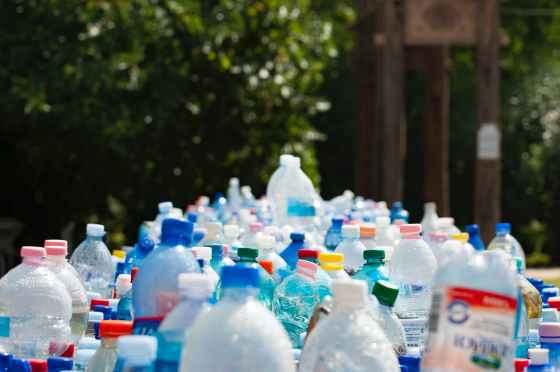
Endocrine disrupting chemical BPA (bisphenol A) and BPS (aka, BPA-Free; bisphenol S) which allows manufacturers to now list their food and drink containers and other products* as “BPA-Free” on the labels, is causing concerns among scientists that these chemicals could “seriously damage” human brains.

By accessing new ingredient information through the “Cleaning Product Right to Know Act”, a new report, “Beyond the Label: Health Impacts of Harmful Ingredients in Cleaning Products”, calls attention to some of the most problematic chemicals used in household cleaning products.

If you think buying certain green products will help your fellow humans, animals and the environment, think again. According to researchers who tested one so-called ‘green’ product, when it comes to some eco-friendly straws, the exact opposite is true. Their findings? Some companies coat permeable products like biodegradable straws with per- and polyfluoroalkyl substances (PFAS). Yes, that is correct…some companies are coating so-called ‘eco-straws’ with the toxic Forever Chemical.

Researchers of a study on the link between neurological conditions and industrial and household solvent chemicals believe that the chemical trichloroethylene (TCE), commonly used in household products such as carpet cleaners may be behind the recent spikes in Parkinson’s Disease.
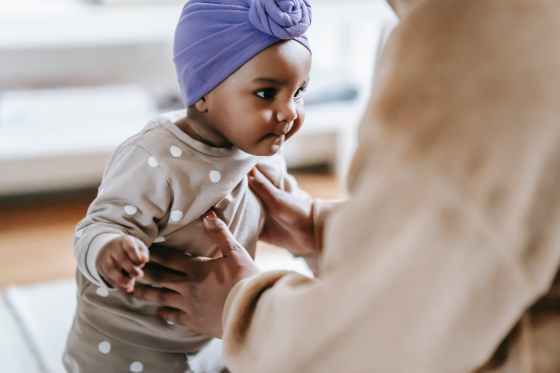
Researchers examining the effects of pregnant women exposed to toxic chemicals in their homes have substantiated evidence linking exposure to phthalates to altered cognitive outcomes in their infants.

A new study revealed 64 percent of land used for agriculture and food crops is at risk of pesticide pollution.
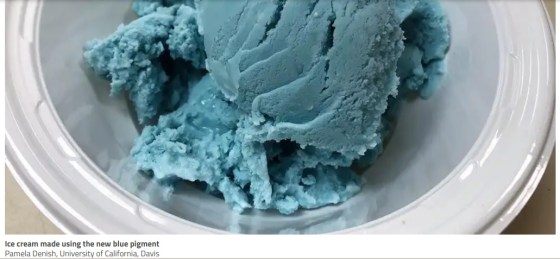
Synthetic Blue Dye (#1 and #2) has a long history of holding the possibility of pernicious outcomes for some people when used in medicines, hospital pharmaceuticals and food. But all of that may be a thing of the past because scientists have uncovered a natural alternative to artificial blue food coloring in cabbage.

Results of a new study reveal that women with higher levels of phthalates in their system during pregnancy were most likely to suffer from postpartum depression.
 Chemical Free Life