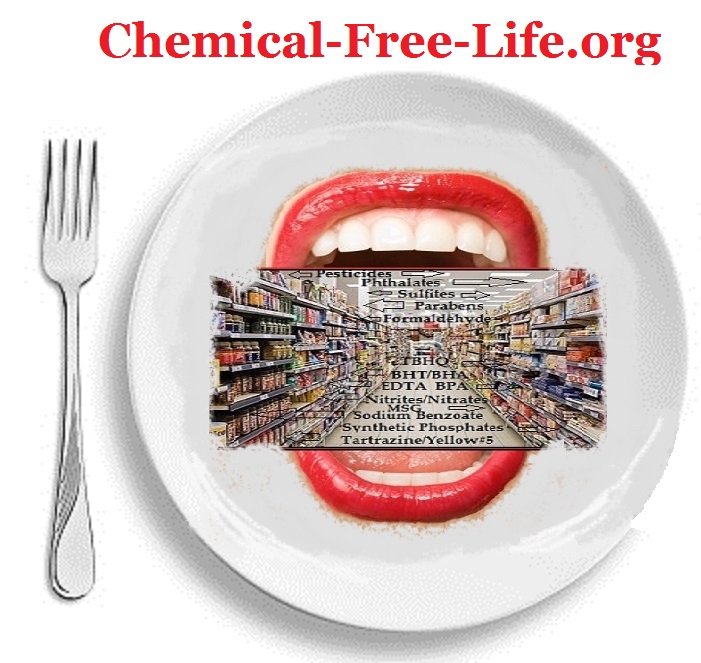
The microbes that inhabit our bodies are influenced by what we eat, drink, breathe and absorb through our skin, and most of us are chronically exposed to natural and human-made environmental contaminants. In this study, scientists reviewed the research linking dozens of chemicals present in our personal care products, home care products, general environment and our food to changes in the gut microbiome and associated health challenges.
Category: BPA
BPA-Free Containers Dangerous to the Developing Brain, say scientists
BPA-Free food containers are coated with BPS–a synthetic chemical that is just as dangerous to health and well-being as BPA. More specifically, researchers have linked BPS (aka the BPA-Free chemical) with serious problems for the developing brain.
BPA Triggers Allergic Asthma that can Last for 3 Generations
New research examining BPA has discovered that its ability to trigger allergic asthma in some people could last for as long as three generations.
In a Heartbeat: Food Chemical BPS Hinders Heart Function within Minutes of Exposure
The results of a new scientific study researching potential health effects to the industrialized food additive BPS (BPA’s counterpart replacement for lining food and beverage containers in the U.S. food supply) BPS can hinder heart function within minutes of a single exposure.
Consumer BPA Exposure Much Higher than Originally Thought
Using new direct testing methods, scientific experts on the chemical BPA have made a new discovery: Previous estimates of the levels of BPA consumers are exposed to each day have been based on flawed, inaccurate testing methods. The previous measurements and estimates that have been used by regulatory agencies–including the FDA**–have underestimated exposure levels by as much as 44 times. With new, more advanced methods*** scientists are now able to see that previous estimates of exposure to the endocrine-disrupting chemical are far greater than regulators and legislators believed when establishing guidelines for what is “safe” exposure levels for U.S. children and adults.
Lower IQ Linked with Consumer Product Chemical Exposure during Pregnancy
A new study found that exposure during the first trimester of pregnancy to mixtures of suspected endocrine-disrupting chemicals found in consumer products is related to lower IQ in children by age 7.
Eating Out Linked with Higher Levels of Toxic Chemicals in Your Blood
New research has confirmed that eating out and eating processed foods are linked with higher levels of toxic chemical PFAS in your blood.
BPA Exposure in Pregnancy Linked to Lung Problems in Children
New research reveals that pregnant women exposed to higher levels of the commonly used chemical BPA are more likely to have children who suffer with wheezing and poorer lung function.
Child-Teen Obesity Linked to Food Container Chemicals: Study
Scientists have discovered that the new replacement chemicals for BPA (bisphenol A) the food industry is now using, BPS (bisphenol S) and BPF (bispheol F) also act as hormone disruptors and carry as much potential risk for serious adverse health outcomes as BPA. The researchers have already linked the new food container chemicals BPS and BPF to child and teen obesity.
Toxic Chemicals in Food and Environment: Scientists Urge Lawmakers to Create Better Policies
Flawed governmental policies and oversight are to blame for failures to protect human and environmental health from toxic chemicals, argue scientists.