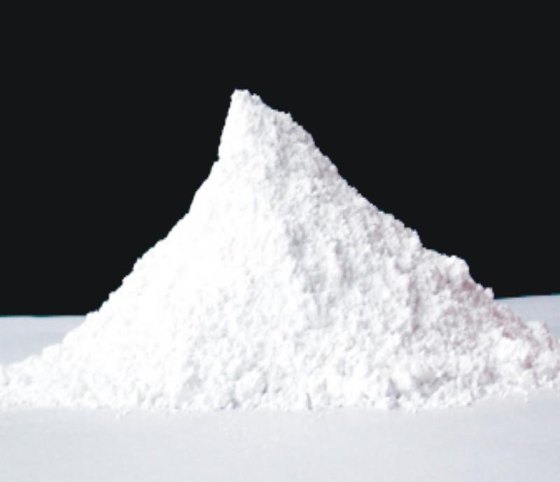
The commonly used food additive titanium dioxide–a nanoparticle (E171)–has once again been linked with serious health outcomes in yet another scientific study. Like the studies before it, the current study found that the food additive titanium dioxide holds the potential to do some real harm to the colon and gut microbiota, and to disrupt liver functioning.
Category: Food Additives
Toxic Chemical in Drinking Water and Thyroid Problems: Bigger Threat than Previously Believed
Perchlorate, a chemical compound used in rocket fuels, fireworks, fertilizers, food packaging and many other industrial materials, seeps into groundwater–the very source of our drinking water. Now scientists have discovered perchlorate presents far more of a threat to our thyroids than previously believed. Unfortunately, the U.S. government has just decided not to regulate the amount of this toxic chemical in our drinking water.
Gut Microbiome Affected by Toxic Chemicals in Products, Environment, Food
The microbes that inhabit our bodies are influenced by what we eat, drink, breathe and absorb through our skin, and most of us are chronically exposed to natural and human-made environmental contaminants. In this study, scientists reviewed the research linking dozens of chemicals present in our personal care products, home care products, general environment and our food to changes in the gut microbiome and associated health challenges.
Food Packaging Chemical Linked with Miscarriage: New Study
The synthetic “forever chemical” PFAS commonly found in processed food packaging, drinking water, stick resistant cookware, and stain resistant carpeting and clothing has been linked with an increased risk for miscarriage.
Seven Steps for Eating Clean during the COVID-19 Lock Down
Why so many people are eating poorly during the coronavirus lock down–and solutions for eating clean during times of chaos and uncertainty.
BPA-Free Containers Dangerous to the Developing Brain, say scientists
BPA-Free food containers are coated with BPS–a synthetic chemical that is just as dangerous to health and well-being as BPA. More specifically, researchers have linked BPS (aka the BPA-Free chemical) with serious problems for the developing brain.
Tooth Decay Linked to Toxic Chemical PFAS: New Study
Scientific studies have demonstrated that PFAS is a toxic chemical and numerous adverse health consequences have been linked to it including some kinds of cancers (especially breast, testicular and prostate cancers), liver problems, heart disease, hormonal disruption, low birth weight and numerous other health problems including thyroid problems, high cholesterol, kidney problems, prostate problems and fertility problems. Now, another adverse health consequence has been added to that list: tooth decay in children.
Soybean Oil Linked to Obesity and Neurological Problems
New research findings have revealed a dirty secret in this widely used industrialized food additive: Soybean oil can not only lead to obesity and diabetes in some people (something that has been suspected for some time), but it also appears to have the potential to trigger neurological problems–which could potentially lead to conditions like autism, Alzheimer’s disease, anxiety, and depression.
BPA Triggers Allergic Asthma that can Last for 3 Generations
New research examining BPA has discovered that its ability to trigger allergic asthma in some people could last for as long as three generations.
Lead Exposure Linked to Lower Brain Volume, Cognitive Problems in Teens
A new scientific study has demonstrated that living in neighborhoods with high risks of lead exposure is associated with differences in brain structure and cognitive performance in some children and adolescents.