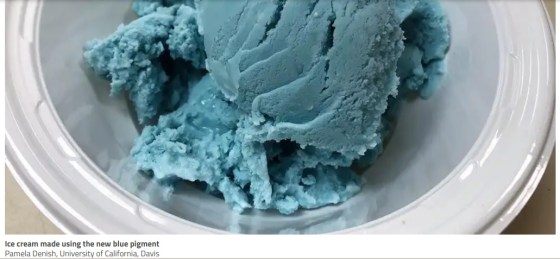
Synthetic Blue Dye (#1 and #2) has a long history of holding the possibility of pernicious outcomes for some people when used in medicines, hospital pharmaceuticals and food. But all of that may be a thing of the past because scientists have uncovered a natural alternative to artificial blue food coloring in cabbage.
Category: Additives in Medicine
Toxic chemicals and Retailers: ‘Hall of Shame’ 2021
According to the 2021 rating report card of retailers, a dozen major companies earned an “F” for failing to publicly address the growing problem of toxic chemicals that may be in the products they sell to consumers.
Disturbing Findings: Mystery Industrial Chemicals Discovered in Humans
Scientists have detected 109 industrial chemicals in pregnant women and newborn babies, including 55 chemicals never before reported in people and 42 “mystery chemicals,” whose sources and uses are unknown.
Ingredients + Warning: Covid Vaccine
Medical experts are warning people who have a history of severe allergic reactions (such as anaphylactic shock) to vaccines, food, or medications to avoid getting the new Covid vaccination until they first discuss their situation with their healthcare provider. The FDA gave a new warning for Guillain-Barré syndrome.
Neurotoxic Flea Treatment for Pets Contaminating Water
Scientists have recently discovered that pesticides commonly used as flea treatments for pets are contaminating rivers. The new research reveals widespread contamination, with two neurotoxic pesticides found in concentrations that far exceed accepted safe limits. More specifically, researchers have found widespread contamination of rivers with two neurotoxic pesticides commonly used in veterinary flea products: fipronil and the neonicotinoid imidacloprid.
Do You Have Chemical Sensitivity? Answering Just Three Questions Can Tell You
To increase screening of chemical intolerance, researchers have developed and validated a three-question survey that can be incorporated into patient visits within a minute.
Preservatives, Dyes in Medication may be Harmful to Health: Study
Both prescription (Rx) and over-the-counter (OTC) medications frequently contain the same unwanted additives (including preservatives, antimicrobials, dyes) that consumers are intentionally avoiding in their food. These additives are commonly listed as “inactive” on the drug label, but new scientific studies demonstrate that several additives are not inert and may be potentially harmful.
Another Cancer-Causing Chemical Discovered in Blood Pressure Meds
Another cancer-causing chemical (DMF) has been uncovered in blood-pressure pills called valsartan.
Common Additive in Food, Meds Linked with Inflammatory Bowel Diseases and Colorectal Cancer
More scientific findings linking food additive and nanoparticle Titanium Dioxide (used as a whitening agent in processed foods and medications) with serious adverse health reactions. As earlier studies have demonstrated, the current study links food additive Titanium Dioxide with triggering a host of serious inflammatory bowel diseases and even colorectal cancer.
Food Additive Hinders Flu Vaccine?
Scientists discover food additive TBHQ may be hindering flu vaccines, preventing them from working.