The 2023 Shopper’s Guide to Pesticides in Produce (Dirty Dozen List) has been released by the Environmental Working Group. For the report researchers analyzed testing data on 46,569 samples of 46 non-organic fruits and vegetables conducted by the US Department of Agriculture. Here are the key results:
.
Top Toxic Pesticides on Produce 2023
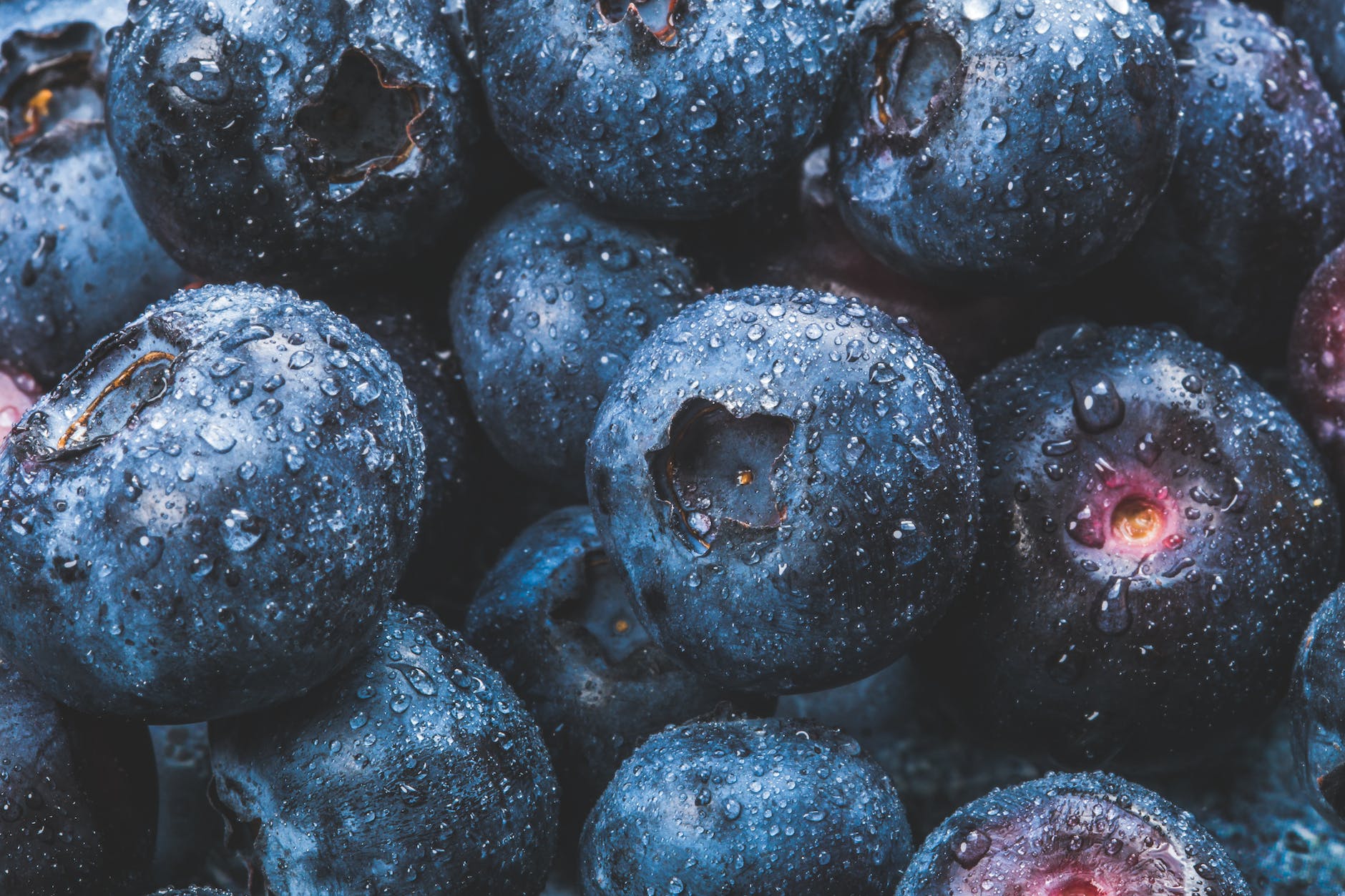
Strawberries and spinach continued to hold the top two spots on the Dirty Dozen List of produce containing toxic pesticides, followed by three greens — kale, collard and mustard. Listed next were peaches, pears, nectarines, apples, grapes, bell and hot peppers, and cherries. Blueberries and green beans were 11th and 12th on the list. Nearly 90% of blueberry and green bean samples had concerning findings, the report said. The latest round of testing found 84 different pesticides, and 6% of samples tested positive for acephate*, an insecticide banned from use in the vegetable in 2011 by the EPA.
A total of 210 pesticides were found on the 12 foods, the report said. Kale, collard and mustard greens contained the largest number of different pesticides — 103 types — followed by hot and bell peppers at 101.
–
Potential side effects from exposure to these toxic pesticides
A high dose of these chemicals can cause difficulty breathing, nausea, a lower heart rate, vomiting, weakness, paralysis and seizures, the CDC said. If exposed to smaller amounts over an extended time, people may “feel tired or weak, irritable, depressed, or forgetful.” (Also see the scientific research findings on our post: 10 Pesticides Linked to Parkinson’s Disease: Study)
–
Cleaner alternatives
Concerned consumers who cannot buy organic produce can consider choosing conventionally grown vegetables and fruits from the Clean 15 , a list of crops that tested lowest in pesticides, the report said. Nearly 65% of the foods on the list had no detectable levels of pesticide. (source)
Avocados topped 2023’s list of least contaminated produce again this year, followed by sweet corn in second place. Pineapple, onions and papaya, frozen sweet peas, asparagus, honeydew melon, kiwi, cabbage, mushrooms, mangoes, sweet potatoes, watermelon, and carrots made up the rest of the list.
–
What else
Aside from buying only organic produce or sticking to the low-pesticide versions of non-organic fruits and vegetables listed above, consumers are strongly encouraged to use our DIY solutions (below) to thoroughly remove pesticides from produce.
–
*Acephate interferes with the normal function of the nervous system, according to the US Centers for Disease Control and Prevention.
–
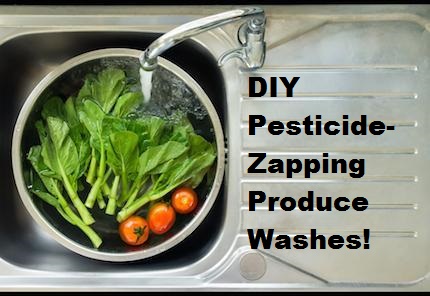
DIY Removing Pesticides from Produce
Baking Soda Best Pesticide Remover, say Scientists
AS
 Chemical Free Life