
Back in January 2023 we reported what a number of organizations’ independent laboratory testing had uncovered: A disturbing number of personal hygiene/incontinence/period products contained PFAS and other toxic chemicals. See our piece here: “Toxic PFAS Chemicals in Period Underwear and Other Feminine Products with Chemicals of Concern“.
Now, finally, the New York Times (NYT) and other copycat mainstream media outlets have published pieces on the topic: “We Had 44 Period and Incontinence Products Tested for Forever Chemicals. Many Were Contaminated“. The NYT’s independent laboratory looked for signs of per- and polyfluoroalkyl substances (PFAS) in 44 period products—including period underwear, tampons, menstrual cups, and more. Their lab conclusions were similar to the results uncovered earlier by organizations fighting to stop the practice by the manufacturers responsible: A surprising number of period/incontinence/personal hygiene products being used by consumers today contain toxic chemicals such as PFAS*–including products labeled as “PFAS-Free”.
–
Specific findings of the NYT- commissioned lab tests:
The researchers found that nearly half of the 44 period and incontinence products sent for testing showed fluorine levels suggesting unintentional PFAS contamination (meaning these substances could have slipped in during production, packaging, shipping, or beyond). Out of these, eight products showed high enough levels of fluorine to suggest that PFAS-treated material had been added to them.
.
- Two of the 10 pairs of period underwear tested showed high enough levels of fluorine to suggest that PFAS had been added to them at some point in the manufacturing process. Two of the remaining eight showed levels that suggested unintentional PFAS contamination. These included period underwear from brands that have published documentation certifying that their products are free of these substances.
.
- One pair of period underwear tested showed the highest amount of fluorine in a single sample: 23,864 parts per million. That pair came from a company that advertises its underwear was free of PFOA and PFOS, two major types of PFAS.
.
- Another pair of period underwear from a different brand showed suspected PFAS contamination with fluorine levels of 3,326 parts per million and 8,635 parts per million in two of the five total samples taken. That pair came from a company that markets its products as being “PFAS-Free.”
.
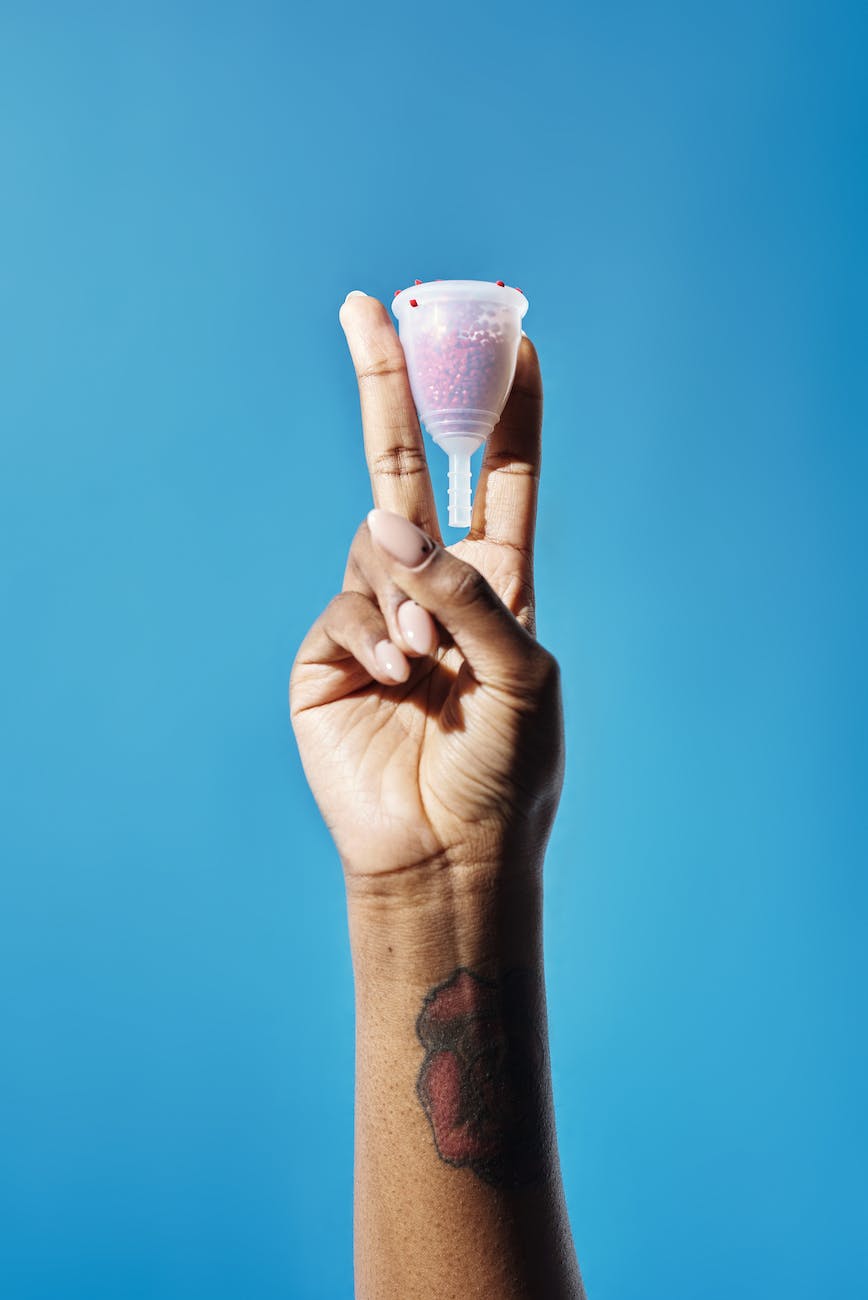
- The four medical-grade silicone menstrual cups sent for testing all showed very low levels of suspected PFAS.
.
- All of the reusable and disposable incontinence underwear tested, half of the disposable incontinence pads, and most of the reusable and disposable menstrual pads showed high enough levels of fluorine to suggest unintentional PFAS contamination, with six of the 24 products in these categories registering enough fluorine to suggest that PFAS had been added to them.
.
- All five of the tampons sent for testing showed very low levels of suspected PFAS, though the applicator from one of them showed fluorine levels suggesting unintentional PFAS contamination.
–

What should consumers do to minimize PFAS and other toxic chemicals in period products?
The experts talking to the NYT said consumers can try using a medical-grade silicone menstrual cup or disc, as these products appear less likely to be contaminated with forever chemicals in comparison with disposable products and reusable garments specifically designed to contain leaks. For consumers using reusable absorbent or leak-containing liners, pads, or underwear, consider washing the pieces before use is advised. Research has shown that washing treated garments in advance may reduce the risk of direct bodily exposure to PFAS, by sending the substances into the environment instead via wastewater.
–
*PFAS chemicals (per- and polyfluoroalkyl substances) are toxic to humans, animals and the environment. They are comprised of approximately 14,000 human-made chemical compounds. The chemicals are ubiquitous in the U.S., appearing in thousands of consumer and industrial products and are typically used to make products resist water, stains and heat, including household products (like carpeting, curtains, furniture upholstery, waterproof and stain-resistant flooring, etc.), cooking supplies (including cooking utensils and bake ware), clothing, personal care products (like cosmetics, including waterproof mascara, dental floss, contact lenses and feminine hygiene products) and even food (PFAS appears in processed food packaging for humans and pets), pharmaceuticals like Prozac, and public drinking water (tap water) that affects an estimated 2 million Americans. PFAS chemicals are usually found in products labeled “stain-proof” and “waterproof”. PFAS chemicals also appear in fire-fighting foam and other industrial products used at airports and military bases across the country, where the chemicals have leached into the groundwater. PFAS chemicals are known as “forever chemicals” because they do not readily break down in the environment or human body. PFAS chemicals have been linked in scientific and medical studies to a variety of serious health conditions including cancer (which includes testicular and kidney cancers), kidney disease, heart disease, thyroid problems, reproductive problems, endocrine problems (PFAS has been found to disrupt hormonal functions with some research suggesting that the PFAS chemicals are linked to accelerated ovarian aging, period irregularities and ovarian disorders like polycystic ovarian syndrome) and liver problems. Some newer PFAS have been found to accumulate in organs, so in some cases, science simply cannot detect the toxic chemicals when testing for it in blood.
–
Also see our piece: Chemicals in Feminine Hygiene Products may Trigger Preterm Birth: Study
 Chemical Free Life